Nextbots: Sandbox

Action Sandbox • WebGL / Mobile • 2023

EN RU

Overview

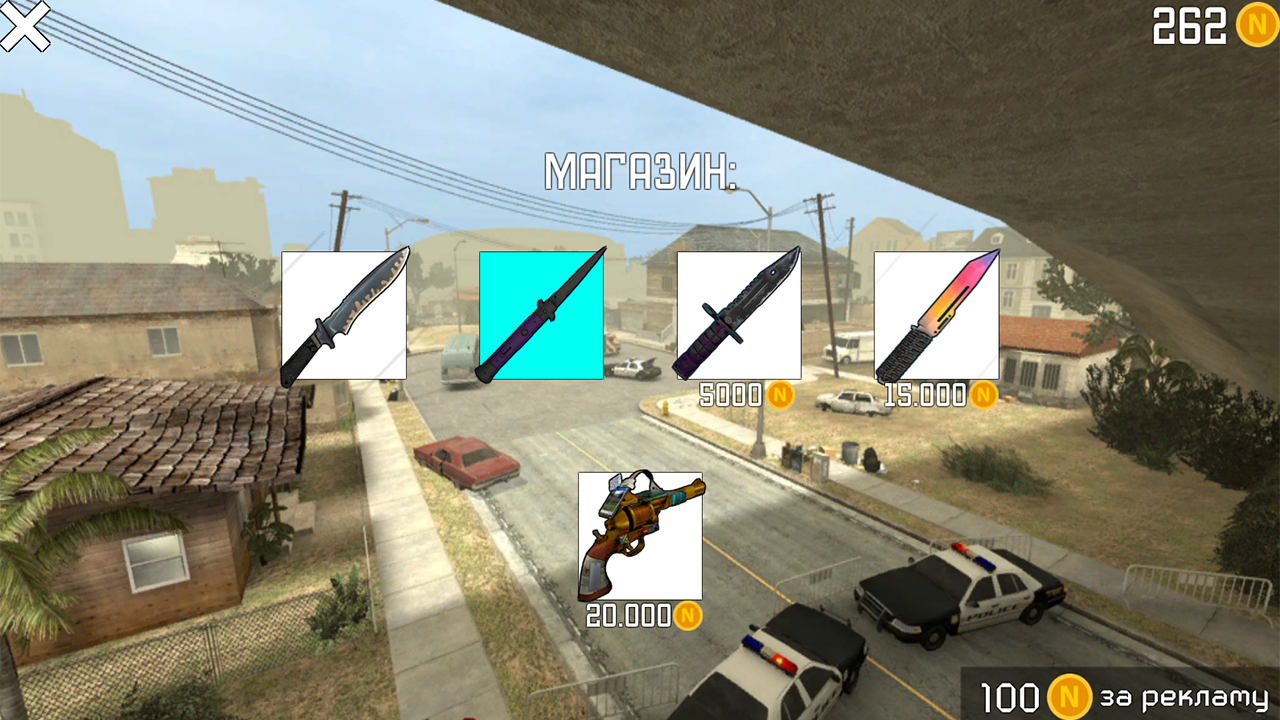
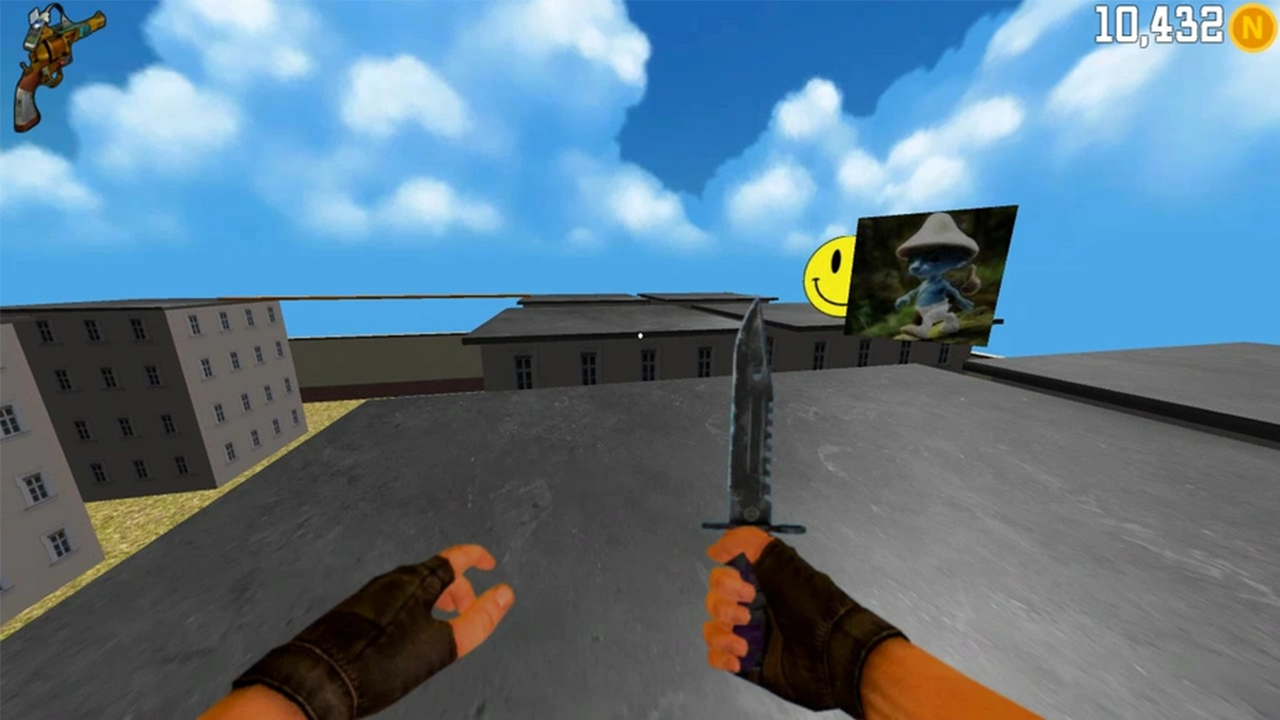
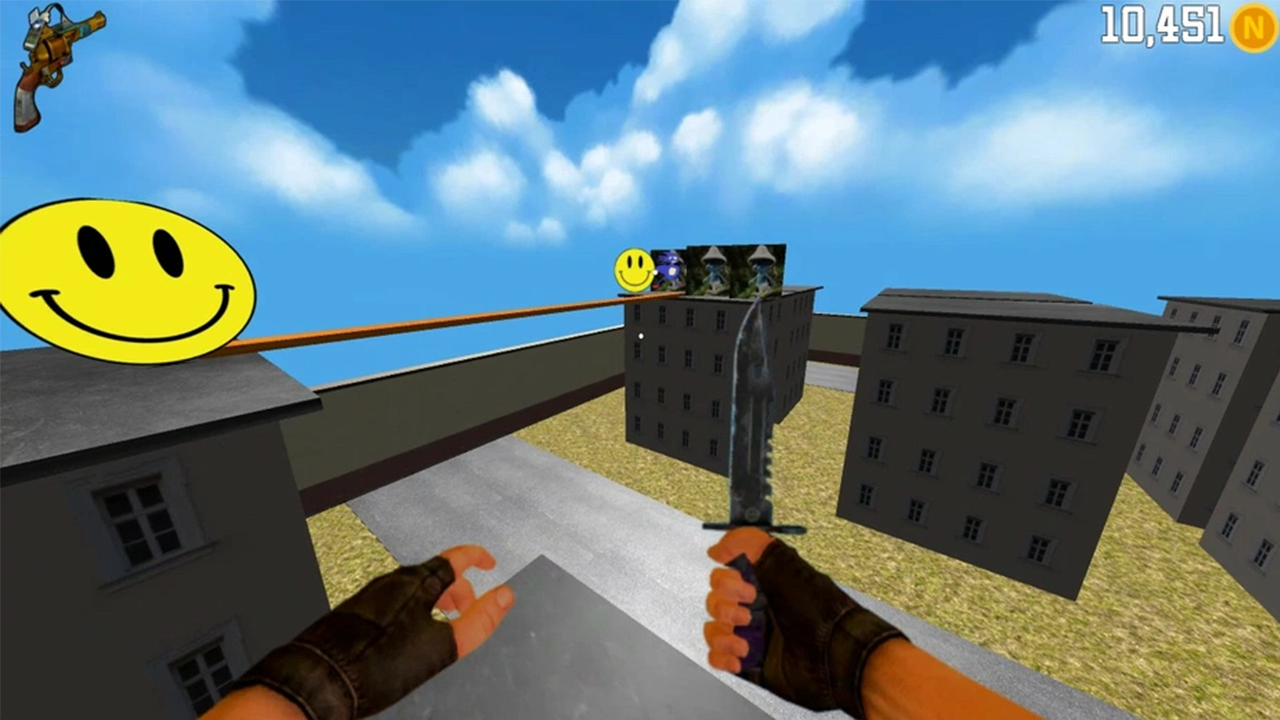
Nextbots: Sandbox is an AI-heavy sandbox project focused on pursuit gameplay, reactive environments, and scalable runtime systems across WebGL, mobile, and PC targets.

The project originally started as an early production prototype, but rapid content growth exposed architectural scalability and maintenance problems that later required major runtime refactoring.

The long-term focus shifted toward runtime stability, async streaming, memory management, and scalable gameplay system ownership under production constraints.

Real Constraints

  • High AI density: large enemy counts active simultaneously during sandbox gameplay
  • WebGL limitations: strict browser memory constraints and unstable loading behavior
  • Low-end device targets: optimized for Android devices with ~2 GB RAM budgets
  • Scalable live updates: runtime content expansion without full scene rewrites
  • Stable frame pacing: maintaining responsive gameplay during enemy-heavy scenarios

Role & Ownership

  • Full gameplay and runtime architecture ownership
  • Refactored legacy systems into modular isolated runtime modules
  • Designed scalable async scene loading pipeline
  • Implemented AI scheduling and optimization systems
  • Maintained production updates and live runtime stability
  • Optimized gameplay systems against real player sessions and runtime load

Engineering Approach

  • Chunk-based async Addressables streaming
  • Strict modular gameplay runtime separation
  • Profiling-driven optimization workflow
  • AI update throttling and staggered scheduling
  • Object pooling across gameplay-heavy systems
  • Event-driven gameplay communication architecture

Key Technical Problems

  • Architecture scalability issues — gameplay systems became difficult to extend after multiple content updates due to tight coupling
  • GC spikes during async transitions — Task-based initialization pipeline generated unnecessary allocations during runtime loading
  • AI CPU scaling problems — per-frame navigation and targeting updates scaled poorly with enemy density

Optimization and refactoring work was continuously validated against production-scale gameplay sessions rather than synthetic benchmarks.

Postmortems (Key Fixes)

Gameplay Architecture Refactor

Issue: Architecture became increasingly difficult to extend after multiple production updates.

Root cause: Tight coupling between gameplay systems and scene-specific logic.

Fix: Refactored gameplay systems into isolated runtime modules with explicit ownership boundaries.

Result: Feature integration time reduced from ~6–10 hours to ~1–2 hours for medium-sized gameplay changes.


GC Spikes During Runtime Initialization

Issue: Noticeable GC spikes during async gameplay transitions.

Root cause: Task-based async flow generated avoidable allocations during initialization.

Fix: Migrated async runtime systems from Task to UniTask.

Result: Reduced allocations from ~1.2–2.5 KB/frame to ~0.2–0.4 KB/frame during transitions.


AI Update Scheduling

Issue: AI update cost scaled poorly with large enemy counts.

Root cause: Per-frame navigation and targeting evaluation for all active entities.

Fix: Introduced staggered AI update scheduling and throttled recalculation cycles.

Result: Reduced CPU spikes from ~5-10 ms to ~2-3 ms during high-density gameplay scenarios.
Systems Design

  • Chunk-based Addressables streaming pipeline
  • Modular gameplay runtime architecture
  • AI update scheduler for large enemy counts
  • Event-driven gameplay communication system
  • Async scene initialization pipeline
  • Object pooling across gameplay-heavy systems
  • Data-driven balancing and spawn configuration

Results

  • Stable runtime behavior across WebGL, mobile, and PC targets
  • Significant reduction of loading spikes on low-end devices
  • Reduced async transition allocations after UniTask migration
  • Improved scalability under high AI density scenarios
  • Faster iteration speed after architecture modularization

Scale & Usage

  • Total plays: ~1.8M
  • MAU: ~30K
  • Session length: 5–10 minutes
  • Platforms: WebGL, mobile

Tech Stack

Unity C# UniTask Object Pooling Modular Architecture

Media