Nextbots: Revenge

Wave Survival • WebGL / Mobile • 2025

EN RU

Overview

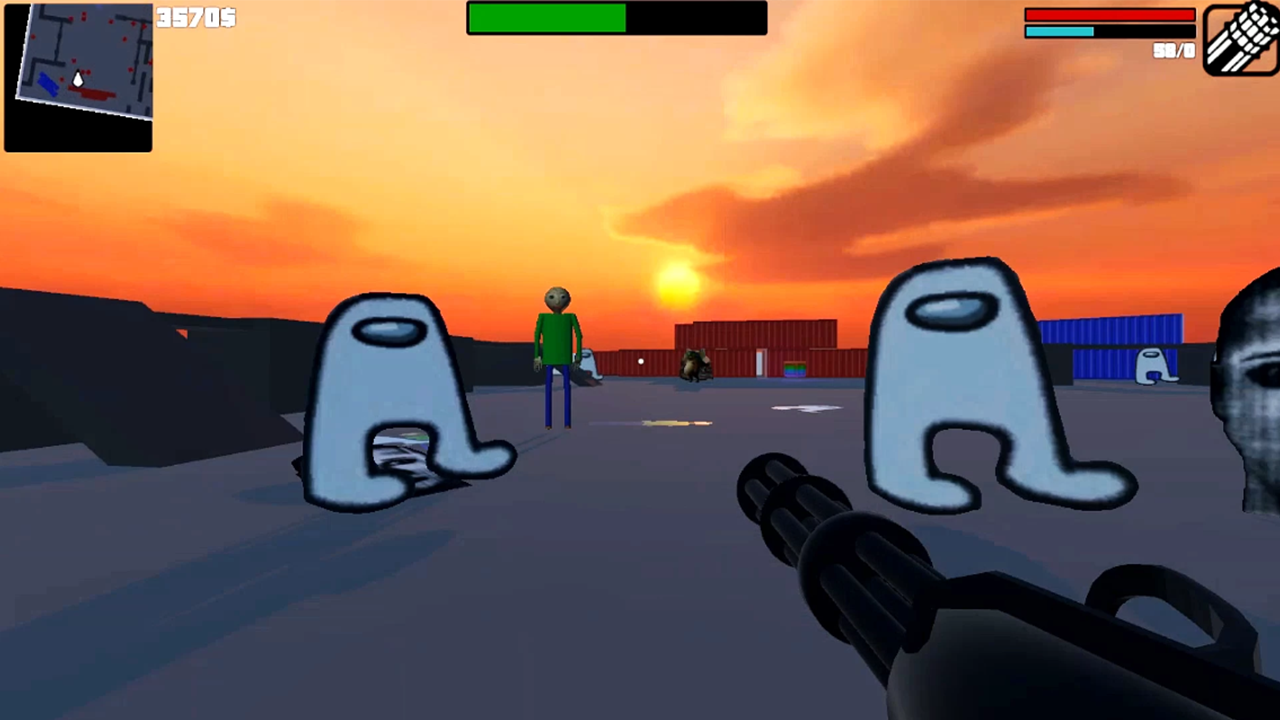
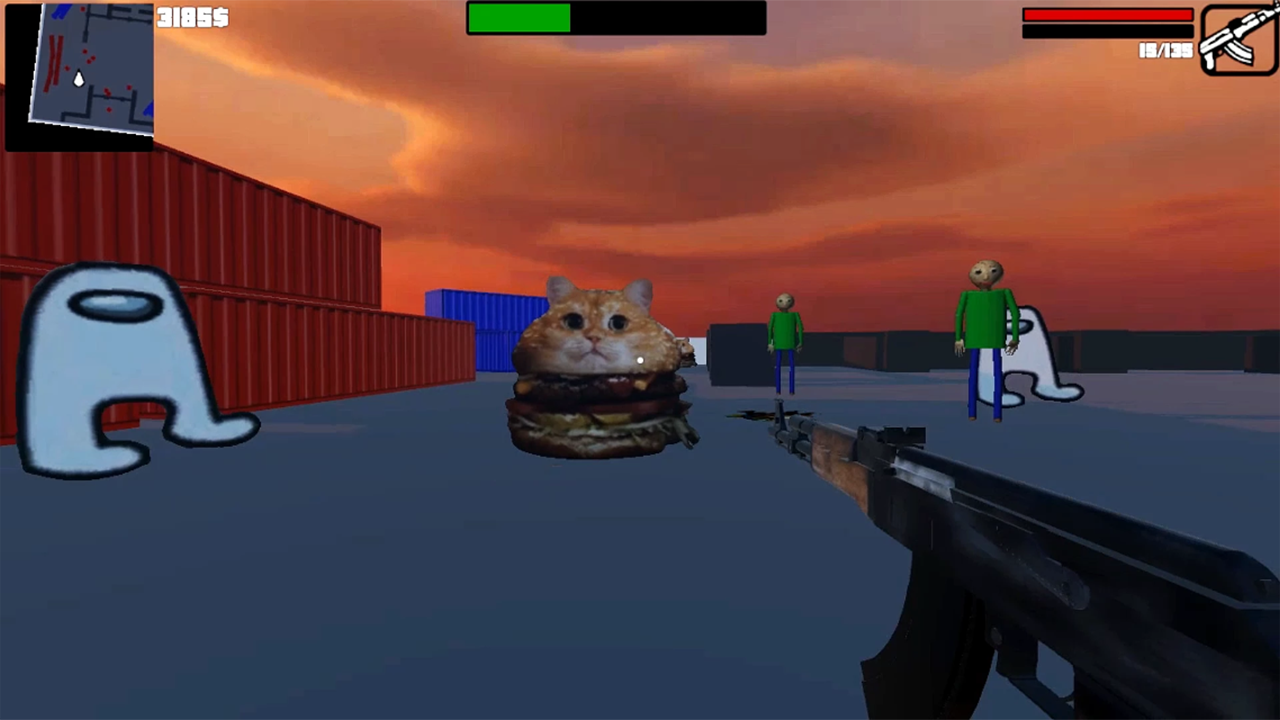
Nextbots: Revenge is a systems-driven wave survival game built around scalable combat loops, modular gameplay architecture, and long-term live content support.

The project focused on extensibility, gameplay iteration speed, and maintaining stable runtime behavior under WebGL and mobile constraints.

Core development priorities included AI systems, combat scalability, progression architecture, and performance optimization for low-end hardware targets.

Real Constraints

  • Combat-heavy gameplay: large enemy counts active simultaneously during wave survival scenarios
  • WebGL performance limits: CPU and memory constraints under browser environments
  • Low-end mobile support: stable runtime behavior across weaker Android devices
  • Live content scalability: gameplay systems designed for future feature expansion
  • Stable frame pacing: maintaining responsive gameplay during high-intensity combat

Role & Ownership

  • Designed core gameplay loop, progression, and economy systems
  • Developed scalable AI systems for wave-based combat
  • Implemented modular loot, upgrade, and reward pipelines
  • Built gameplay flow and UI architecture
  • Integrated monetization systems into gameplay loop
  • Maintained runtime performance across WebGL and mobile targets

Engineering Approach

  • Scalable modular gameplay architecture
  • Profiling-driven optimization workflow
  • Optimized update loop and tick execution model
  • Low-coupling system boundaries for maintainability
  • Memory and CPU optimization for combat-heavy gameplay
  • Performance stabilization under WebGL constraints

Key Technical Problems

  • AI update scaling issues — combat-heavy scenarios increased CPU cost significantly with large enemy counts
  • Gameplay iteration bottlenecks — tightly connected gameplay systems slowed down balancing and feature integration
  • Frame pacing instability — combat spikes affected runtime smoothness on low-end mobile devices
  • Live balancing complexity — progression and reward systems required scalable data-driven tuning

Optimization and balancing decisions were continuously validated against live gameplay sessions and production runtime behavior.

Postmortems (Key Fixes)

AI Update Optimization

Issue: CPU spikes during high-density enemy waves.

Root cause: Expensive per-frame AI evaluation and update execution across active entities.

Fix: Optimized tick scheduling and reduced unnecessary update frequency for non-critical AI systems.

Result: Reduced peak gameplay script time from ~6–9 ms to ~2–4 ms during combat-heavy scenarios.


Gameplay Architecture Scalability

Issue: Gameplay iteration slowed down as systems became more interconnected.

Root cause: Growing dependency complexity between combat, progression, and reward systems.

Fix: Refactored gameplay logic into more isolated modular systems with clearer ownership boundaries.

Result: Reduced average feature integration time from ~4–6 hours to ~1–2 hours for medium gameplay updates.


Combat Performance Stabilization

Issue: Frame pacing instability during intensive wave combat on low-end devices.

Root cause: CPU-heavy combat calculations and uneven update distribution.

Fix: Optimized combat update flow and reduced expensive runtime operations inside hot gameplay loops.

Result: Stabilized frame pacing and improved worst-case FPS from ~35–45 FPS to stable ~55–60 FPS under heavy combat load.
Systems Design

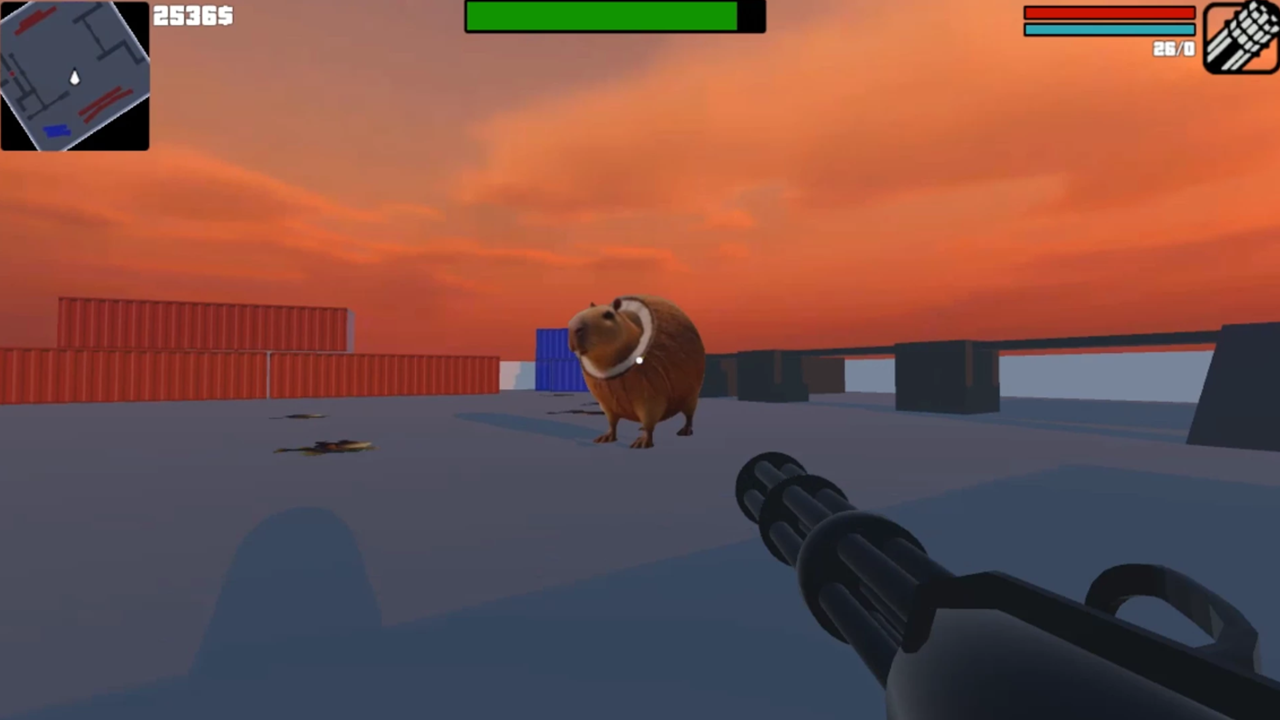
  • Wave-based scalable AI framework
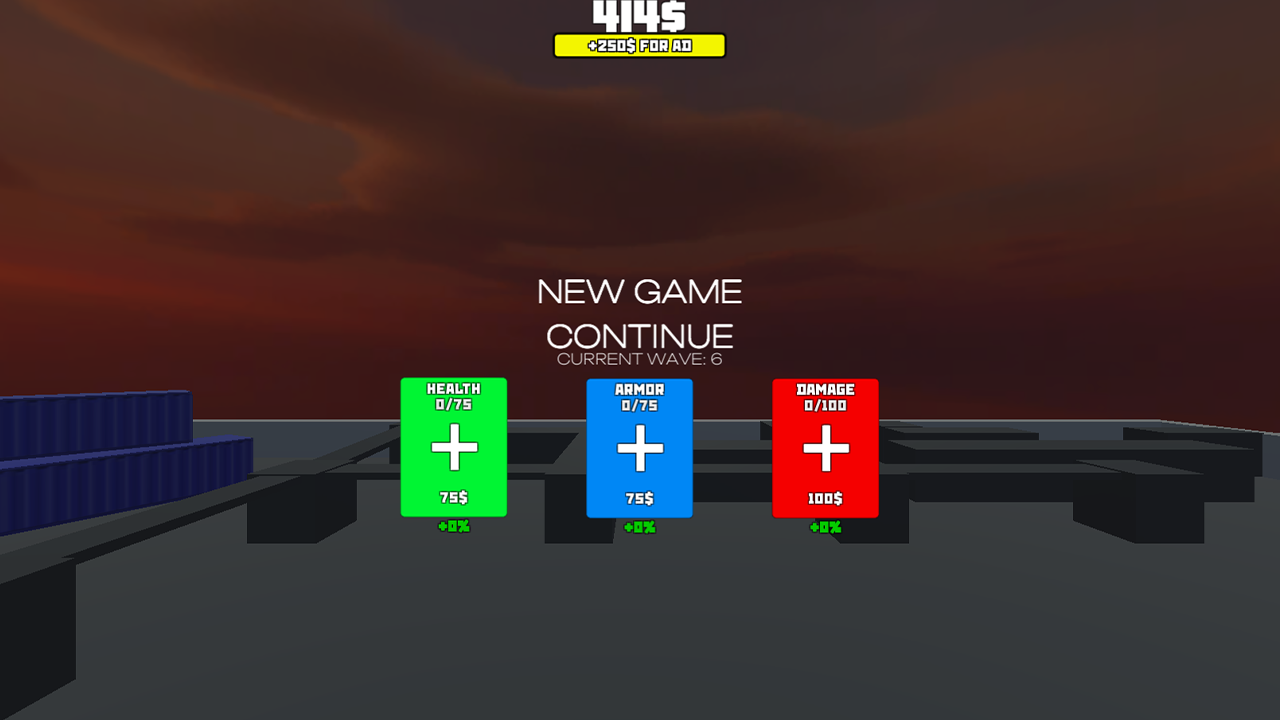
  • Modular progression and reward systems
  • Data-driven balancing architecture
  • Optimized gameplay tick execution pipeline
  • Combat-oriented runtime architecture
  • UI and gameplay flow state management
  • Integrated monetization systems

Results

  • Stable 60 FPS gameplay across target platforms
  • Improved CPU stability during large combat waves
  • Faster gameplay iteration through modular architecture
  • Scalable AI systems for future content expansion
  • More maintainable gameplay and balancing pipelines

Scale & Usage

  • Total plays: ~55K
  • MAU: ~2.2K
  • Session length: ~7–10 minutes
  • Platforms: WebGL, mobile

Tech Stack

Unity 2023 C# MVC MVP GamePush SDK Modular Architecture AI Systems

Media